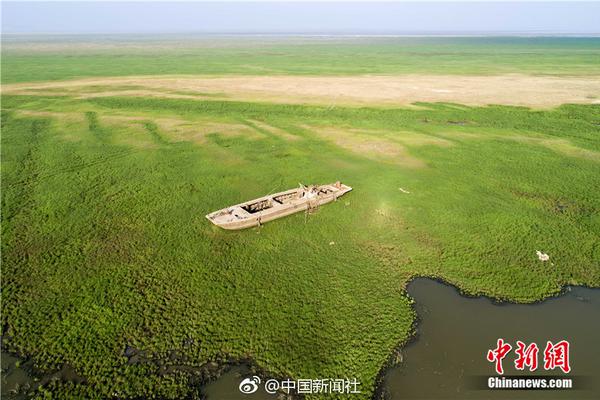
When I could tear myself away from this domestic corner of the pasture, I passed on to the riverside nook I have mentioned. Here my seat was on the edge of the bank, high above the stream, shaded by a group of black and battered old spruces that looked as if they had faced the storms of a hundred stern Maine winters, as probably they had. Pine-trees at my back filled the air with odors; a thicket beloved of small birds stretched away at one side. Across the river spread a sunny knoll, on which stood a huge old apple-tree, contemporary perhaps with the spruces, having one attractive dead branch, and surrounded at a little distance with a semi-circle of shrubs and low trees. It was a tempting theatre for bird dramas, which the solitary student, half hidden on the bank above, could overlook and bring to clear vision with a glass, while not herself conspicuous enough to startle the actors. In this lovely spot many mornings of that happy July passed delightfully away.
In the leafy background to the apple-tree dwelt the veery. From its apparently impenetrable depths came his warning calls, and on rare and blessed occasions his heavenly song; for it was July, and it is only in June that
"New England woods at close of day, With that clear chant are ringing."

For, with all the rhapsody in his soul, this thrush is a devoted parent, and notwithstanding the fact that he is one of the kings of song, he comes down like the humblest sparrow of the fields, to help feed and train his lovely tawny brood. Without exception that I know, he is the most utterly heartbroken of birds when the nest is discovered. So pathetic are the wails of both parents that I never could bear to study a nest, and I had to harden my heart against the bleating, despairing cries of the mother before I could secure even a look at a youngster just out of the nest. This scion of the charming thrush family is a patient little soul, with all the dignity and reserve as well as the gentleness of his race; no human child could be more winning.
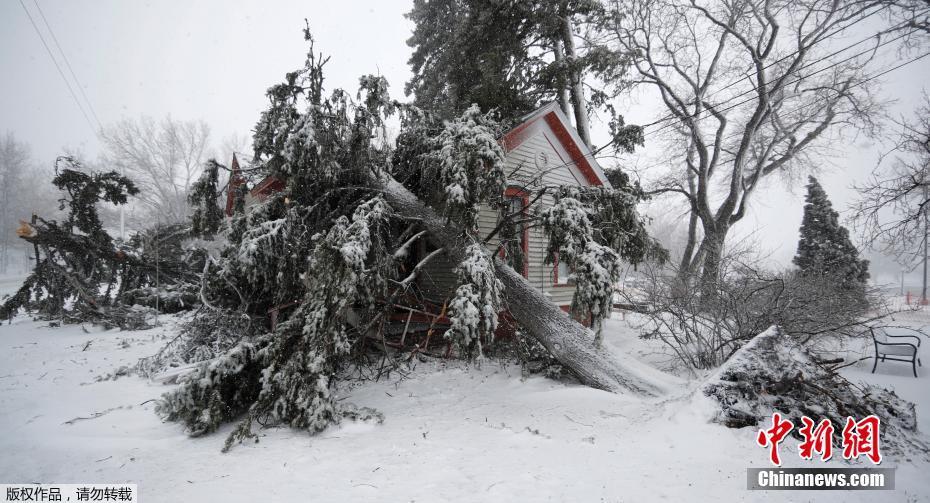
A beautiful instance might be seen in that spot of Nature's provident way of looking out for the future. Those battered old spruces had a flourishing colony of young trees growing up all around and under the shade of their wings, and some day when a great wind breaks off the decayed old ones, there will be several vigorous half-grown young, to take their place, so the place will not be left desolate a day. If man would only take this hint in his own treatment of trees, leave the young ones to take the place of those he removes, we should not have to dread the wasteful destruction of our forests.