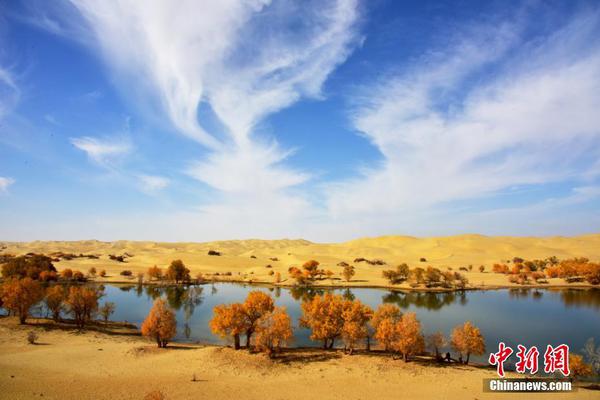
I must not, however, anticipate. On crossing the Kishnah, we entered a region quite different in feature and aspect from that which we had hitherto traversed since leaving the Coromandel coast. High, undulating tracts of land—in some parts covered with low thorny thickets, in others (at this season of the year) with high waving grass, amidst which might occasionally be caught a glimpse of the graceful antelope, or from whence the florikan and bustard were sometimes flushed; whilst peering from an ocean of jungle verdure—like the back of a huge whale—some dark denuded mass of rock, all bristling with native battlements and forts, would occasionally protrude from the surrounding jungle or “meidan,”[12] and pleasingly diversify the scene.
The nature of the vegetation, and agricultural products of the country, appeared likewise to be completely changed, the moment we entered the “Deccan,” from what we had been accustomed to witness in the low and level plains of the Carnatic, which we had so recently left behind. The cultivation of rice, with its concomitant swamps, had in a great measure disappeared, and was replaced in the low grounds by waving fields of Indian corn, and occasionally—though as yet but rarely—by the tall and graceful sugar-cane; whilst Bengal gram,[13] and other stunted pulse, marked the sites of the higher, and consequently drier and more arid portions of the cultivated soil.
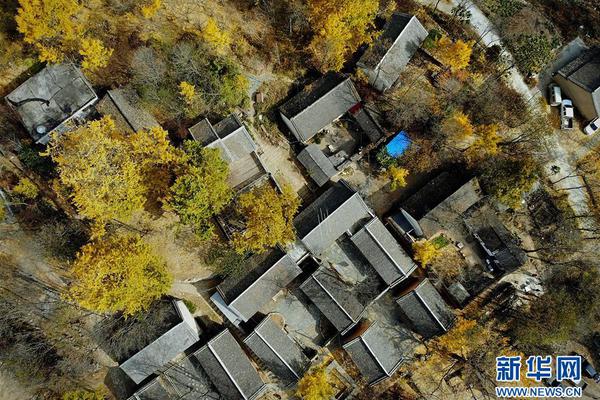
The feathery cocoa-nut and fan-like palmyra of the lower country had now given way to the no less serviceable—and hardly less beautiful—date-tree, which, although in this part of the world yielding a scarcely palatable fruit, is nevertheless applied to an infinity of useful purposes, and yields, moreover, a very considerable revenue to the state. For each individual of these

“Groups of lovely ‘date-trees,’ Bending their leaf-crowned heads On youthful maids, like sleep descending, To warn them to their silken beds,”
was taxed to the annual amount of one rupee, which sum was strictly exacted from the poor oppressed Ryot, by the zemindar intrusted with the collection of the revenue of each particular district of the Nizam’s dominions.
To the casual inquirer it might appear that such an impost would amount to almost a prohibition on the culture of this tree; they nevertheless abound in all parts of the country adapted to their growth; and this can only be accounted for, from the numerous and manifold purposes to which every portion of it is usefully and profitably applied. The fruit, although in this part of the world coarse and rough to the taste, is nevertheless made use of for different purposes by the natives; the stems and leaves are severally converted into baskets and mats, and are likewise employed to roof their lowly huts; but the chief produce of the Indian date-tree is the “tara,” or, as called in English, “toddy,” it so plentifully yields, and which is extracted by making deep incisions in the trunk, for here—