Lady Rolle kindly introduced me, during my residence at her abode, to a Mrs. P--- of Exeter, with whom I had a long conversation respecting the Greek church and the state of female education in Syria. I have heard that her daughters often visited the poor cottagers, with a view to improve and ameliorate their condition, a custom I am happy to find becoming very prevalent among the upper classes in England during the last few years. I wish some philanthropic young ladies would follow their good example, and make a step still further by setting out on a crusade against the ignorance of their sex in Syria.
On the grounds attached to the mansion, my hostess has built a very beautiful tower filled with valuable and rare samples of china; it resembles an Indian pagoda. This amiable lady has also built a very fine church in memory of her husband, and also a mausoleum. But what surprised me still more was to find a cottage on her grounds which was paved entirely with sheep’s knucklebones—a novel spectacle to me, and very ingenious and curious.

Whilst at Bicton, I heard a very amusing anecdote about an Eastern princess, who it appears had come there on a visit from London, and was much noticed by the nobility. This lady was very fond of vegetables and fruit, and in order the more freely to gratify her appetite, she used to rise early and go into the garden, and amongst other delicacies, she never spared the young onions, of which she was exceedingly fond. The gardener could not account for the depredations committed on his _potager_ till accident led him to discover the mystery. One day he locked the gate before the princess returned from her morning walk, and consequently she remained there some considerable time, and had to breakfast and dine off her favourite vegetables. At length, after a long search, the gardener heard her crying out, and accordingly released her.

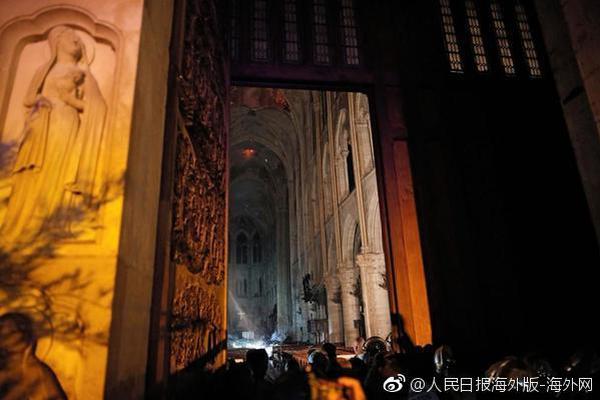
One day during this agreeable visit was devoted to a drive to Exeter to see the cathedral, gaol, and hospital, with which I was much interested. I must here bestow a passing note of admiration on her ladyship’s “turnout,” which conveyed us to the town: suffice it to say that it was appointed in the best English style, and with four fine horses of imposing stature, with their gay silver trappings and postillions, made an excellent _coup d’œil_. With the architecture of the cathedral I was particularly struck, on account of its resemblance to the old churches in Syria. I much admired the small paintings in fresco underneath the organ, which I was told had only recently been discovered, and these were very similar to those in our churches throughout my country, and which may be seen at the present day. After having inspected the cathedral, I visited the gaol, which pleased me from being kept so scrupulously clean; and I highly approved of the regulations and rules which were laid down and enforced. But one circumstance in particular pained me very much, that was to find a child only eight years of age imprisoned for arson. I was told that he was much happier in gaol than at home. Before leaving I visited the female department, which was equally clean and well arranged, and all the women were usefully occupied. Upon enquiring of the governor of the gaol whether the female prisoners gave him much trouble, his answer was, “I would rather have to do with a dozen men than one woman.” This speech rather startled me, and, as it was time to return to Bicton, I left Exeter, having been highly gratified and pleased with my visit. During my stay in the neighbourhood, as we proceeded though the village, many and very amusing conjectures were made concerning my country and station. By some I was considered no less a personage than a Persian prince; others deemed me a Turkish Pasha, whilst many even exalted me so high as to be somewhat of more importance—an Indian Rajah. Soon after, I bade adieu to Bicton, but not without deep regret and sorrow at leaving our amiable and hospitable friend and her assembled guests.