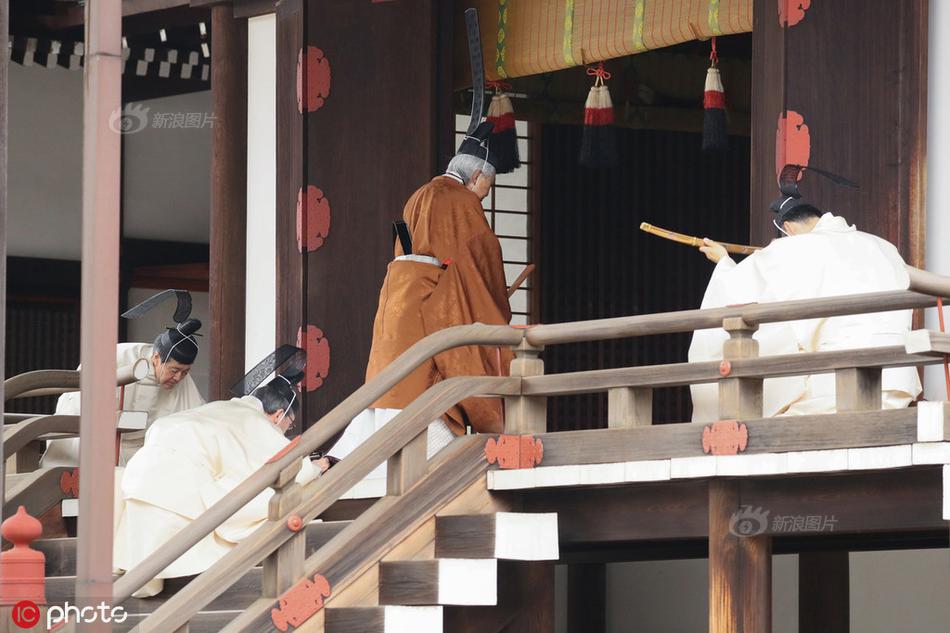
[Illustration: FIG. 1.--Seventeenth Century Coronation Cope at Westminster Abbey.]
It is clear from this that the cope, though a liturgical, was never a sacerdotal vestment. If it was worn by priests, it could also be worn by laymen, and it was never worn by priests in their sacerdotal, i.e. their sacrificial, capacity. For this reason it was not rejected with the "Mass vestments" by the English Church at the Reformation, in spite of the fact that it was in no ecclesiastical sense "primitive." By the First Prayer-book of Edward VI., which represented a compromise, it was directed to be worn as an alternative to the "vestment" (i.e. chasuble) at the celebration of the Communion; this at least seems the plain meaning of the words "vestment or cope," though they have been otherwise interpreted. In the Second Prayer-book vestment and cope alike disappear; but a cope was worn by the prelate who consecrated Archbishop Parker, and by the "gentlemen" as well as the priests of Queen Elizabeth's chapel; and, finally, by the 24th canon (of 1603) a "decent cope" was prescribed for the "principal minister" at the celebration of Holy Communion in cathedral churches as well as for the "gospeller and epistler." Except at royal coronations, however, the use of the cope, even in cathedrals, had practically ceased in England before the ritual revival of the 19th century restored its popularity. The disuse implied no doctrinal change; the main motive was that the stiff vestment, high in the neck, was incompatible with a full-bottomed wig. Scarlet copes with white fur hoods have been in continuous use on ceremonial occasions in the universities, and are worn by bishops at the opening of parliament.
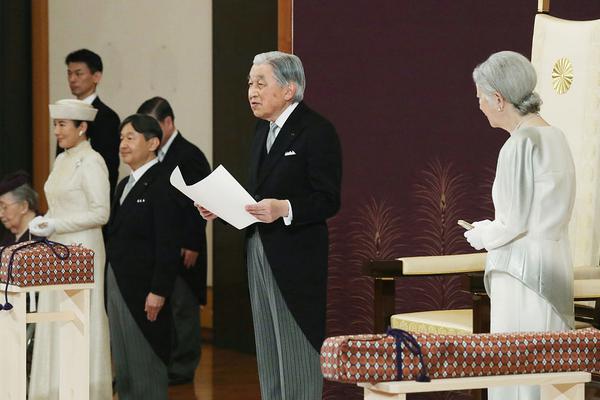
With the liturgical cope may be classed the red mantle (_mantum_), which from the 11th century to the close of the middle ages formed, with the tiara, the special symbol of the papal dignity. The _immantatio_ was the solemn investiture of the new pope immediately after his election, by means of the _cappa rubea_, with the papal powers. This ceremony was of great importance. In the contested election of 1159, for instance, though a majority of the cardinals had elected Cardinal Roland (Alexander III.), the defeated candidate Cardinal Octavian (Victor IV.), while his rival was modestly hesitating to accept the honour, seized the _pluviale_ and put it on his own shoulders hastily, upside down; and it was on this ground that the council of Pavia in 1160 based their declaration in favour of Victor, and anathematized Alexander. The _immantatio_ fell out of use during the papal exile at Avignon and was never restored.