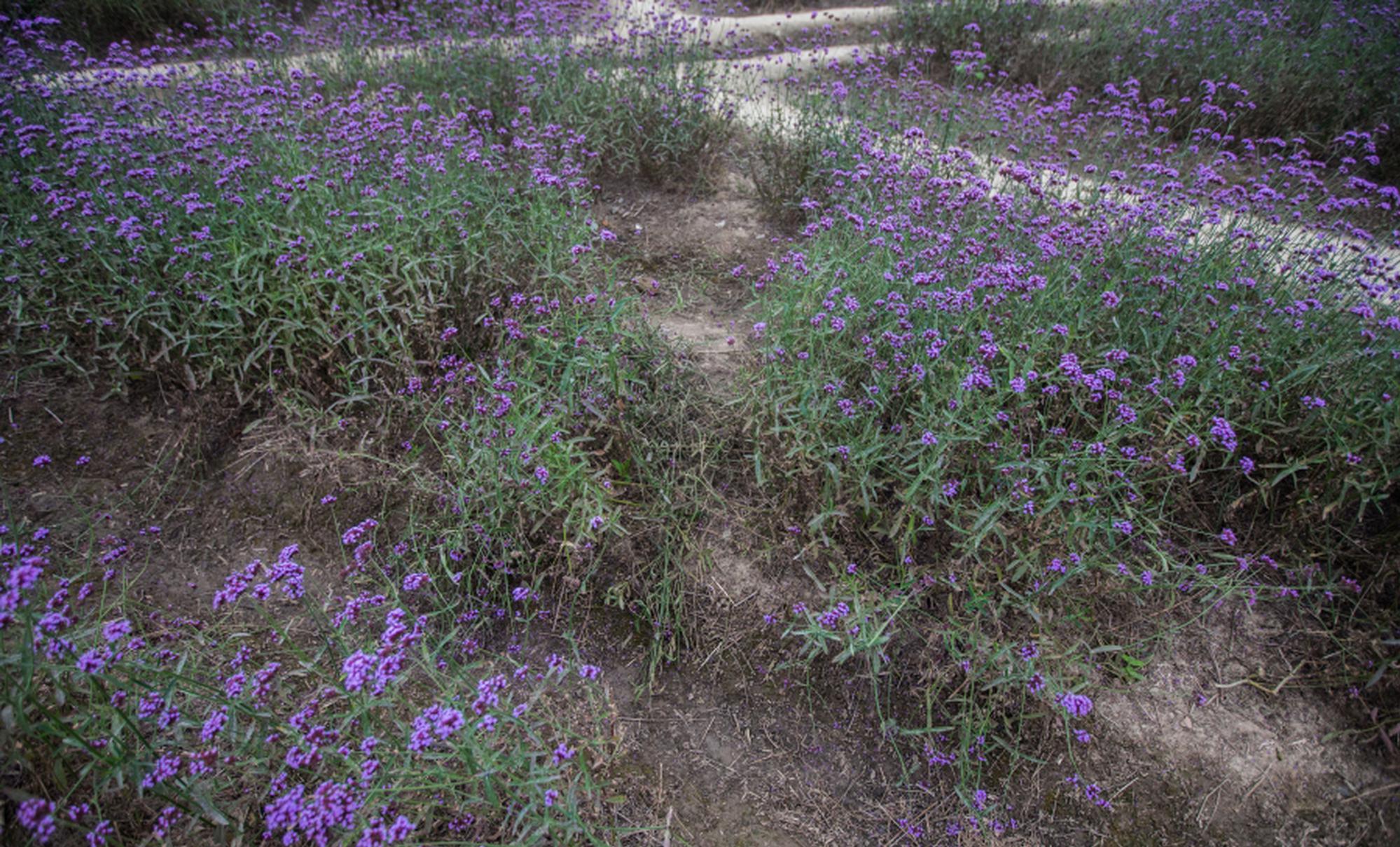
It was the English who, before they became so musical, dallied for a while with painting. There was a time, if we may believe those biographers of manners, the novelists, when all England sketched, and so gave vent to all its superabundant emotion in paint. There was no landscape safe from the emotional Englishwoman. Instead of strumming false notes on the hotel piano she went out with a paint-box and sketched the uncomplaining landscape. At any rate the long-suffering landscape made no sound.
It cannot be denied that one suffers less from a bad picture than from a bad anything else, the agony also is short, nor is it necessary in the process of painting to inflict pain. Painting is an exceedingly silent art, and its results are easily disposed of as wedding presents, because the recipient cannot possibly rebel.

There is, also, that delightful alternative of decorating one's house with one's own immortal works. I was recently shown a lovely picture gallery entirely hung with the work of its owner. I emerged from the experience smiling and quite calm. Now what would have been my condition had the good lady insisted on reciting to me eighty of her poems (there were eighty pictures), or, more harrowing still, had she insisted on playing to me eighty compositions of her own, or even eighty compositions of others, with stiff and reluctant hands? For which reason I maintain that painting is the most inoffensive of the arts and deserves to be encouraged.

But seriously, why should every child be taught to play the instrument quite irrespective of its having any talent or taste for music? Why in the world, where martyrdom is usually the price of living, should a select little army of martyrs suffer a double martyrdom? Why draw them by the hairs of their inoffensive heads to the piano-stool and make, as it were, at one fell swoop, two martyrs, the one at the piano and the wretch who, on the other side of the wall, gives the lie to Congreve, who mistakenly declared that "Music has charms to soothe a savage breast"? Had Congreve lived now he would have hesitated to make so rash a statement.

In Congreve's day the piano, the greatest instrument of torture of modern times, had not been evolved. Its ancestor, the spinet, tinkled plaintively away under its breath like a musical mosquito with a cold on its chest, and was--alas, how happily!--within reach of only the few. In those days, when its feeble tinkle was a mere whisper, house-walls were made of such stupendous thickness that not even the turmoil of a modern orchestra in the next room could have penetrated.