According to a little history of the island which one of the brothers has written, S. Lazzaro was once a leper settlement. Then it fell into disuse, and in 1717 an Armenian monk of substance, one Mekhitar of Sebaste, was permitted to purchase it and here surround himself with companions. Since then the life of the little community has been easy and tranquil.
The extremely welcome visitor is received at the island stairs by a porter in uniform and led by him along the sunny cloisters and their very green garden to a waiting-room hung thickly with modern paintings: indifferent Madonnas and views of the city and the lagoon. By and by in comes a black-bearded father, in a cassock. All the Mechitarists, it seems, have black beards and cassocks and wide-brimmed beavers; and the young seminarists, whom one meets now and then in little bunches in Venice, are broad-brimmed, black-coated, and give promise of being hairy too. The father, who is genial and smiling, asks if we understand French, and deploring the difficulty of the English language, which has so many ways of pronouncing a single termination, whereas the Armenian never exceeds one, leads the way.

The first thing to admire is the garden once more, with its verdant cedars of Lebanon and a Judas-tree bent beneath its blood. On a seat in the midst another bearded father beneath a wide hat is reading a proof. And through the leaves the sunlight is splashing on the cloisters, pillars, and white walls.
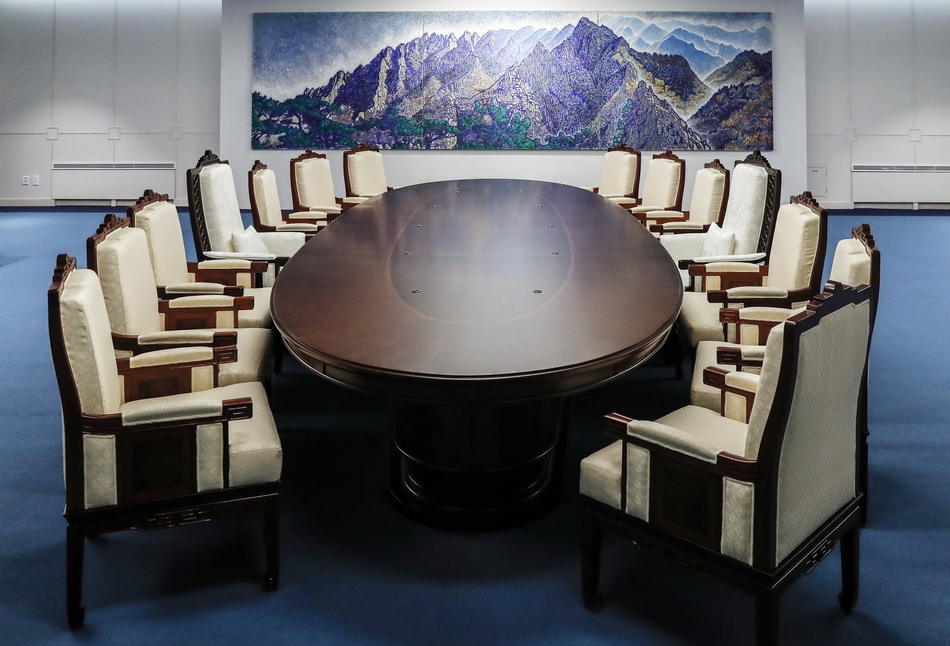
[Illustration: THE ARMENIAN MONASTERY AND THE LAGOON]
The refectory is a long and rather sombre room. Here, says the little guide-book to the island, prepared by one of the fathers who had overcome most of the difficulties of our tongue, "before sitting down to dine grace is said in common; the president recites some prayer, two of the scholars recite a psalm, the Lord's prayer is repeated and the meal is despatched in silence. In the meantime one of the novices appears in the pulpit and reads first a lesson from the Bible, and then another from some other book. The meal finished, the president rings a bell, the reader retires to dine, the Community rises, they give thanks and retire to the garden."
Next upstairs. We are taken first to the room which was Byron's, where the visitors' book is kept. I looked from the window to see upon what prospect those sated eyes could fall, and found that immediately opposite is now the huge Excelsior Hotel of the Lido. In Byron's day the Lido was a waste, for bathing had hardly been invented. The reverence in which the name and memory of his lordship are still held suggests that he took in the simple brothers very thoroughly. Not only have they his portrait and the very table at which he sat, but his pens, inkstand, and knife. His own letters on his refuge are interesting. Writing to Moore in 1816 he says: "By way of divertisement, I am studying daily, at an Armenian monastery, the Armenian language. I found that my mind wanted something craggy to break upon; and this--as the most difficult thing I could discover here for an amusement--I have chosen, to torture me into attention. It is a rich language, however, and would amply repay any one the trouble of learning it. I try, and shall go on; but I answer for nothing, least of all for my intentions or my success." He made a few metrical translations into Armenian, but his principal task was to help with an English and Armenian grammar, for which, when it was ready, he wrote a preface. Byron usually came to the monastery only for the day, but there was a bedroom for him which he occasionally occupied. The superior, he says, had a "beard like a meteor." A brother who was there at the time and survived till the seventies told a visitor that his "Lordship was as handsome as a saint."