We set sail in the first week of '86 for Assouan, where W. was to meet us, and I witnessed the daily development of the Nile's beauties with the deepest pleasure, and a mind no longer over-shadowed.
I wonder how many people who have been to Egypt recognise the fact that all its beauty is reflected? It is either the sun or the moon or the stars that make Egypt glorious. Under thick cloudy skies it would be nothing. But the co-operation of the illuminated objects is admirable, and the two powers combined produce the Egypt we admire. W. and I came to the same conclusion, that much of the glory of the moonlights is owing to the response of the desert, especially the golden desert of Nubia.
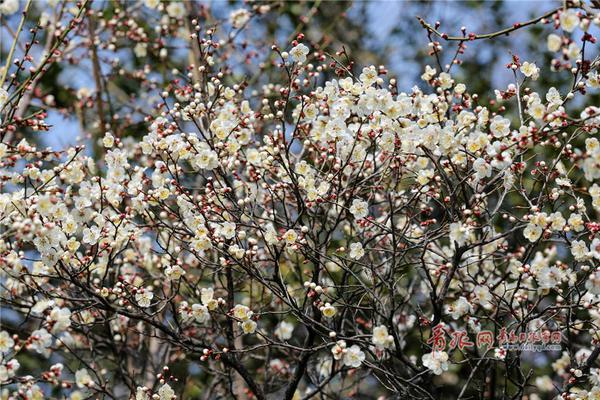
But I have also seen, on rare occasions, delicate effects of veiled sunshine on river, palms, and desert too exquisite in refinement to be easily described. I remember one memorable grey day which we spent in turning the loveliest river reach of the whole series below Assouan, the wind having completely dropped--a day which dwells in my memory as a precious passage of silvery colour amidst all the gold. The palm-tree stems towards sundown were illuminated with rosy light against the pallid background of sand-hills facing the West, and of the delicate pearl-grey sky. The greens were cool and vivid, the water like a liquid opal. I wrote a whole letter to Mamma on that one grey day on the Nile. But even that evening the after-glow made itself felt through the clouds, lighting them from behind in an extraordinary manner, so that the filmy screen appeared red-hot. The beautiful cloud-veil could not shut out so fervid a rush of colour.
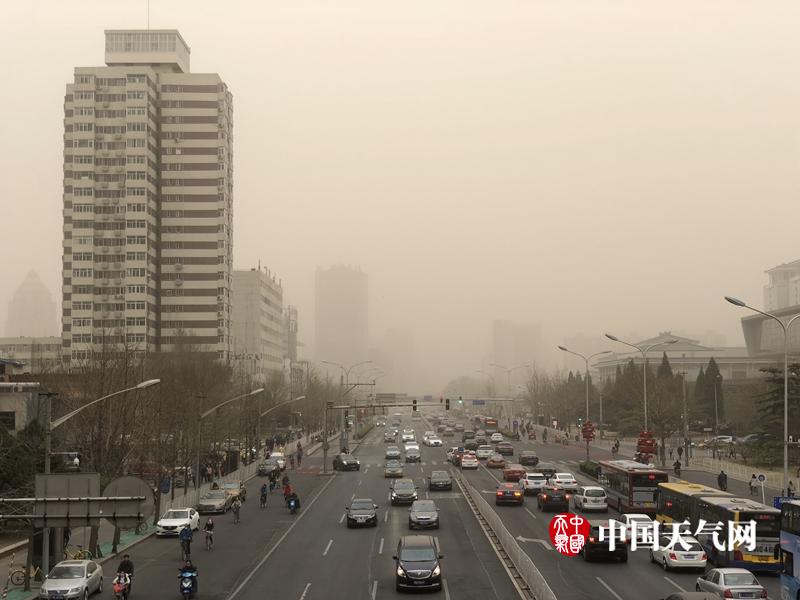
When a strong wind blows the desert sand into the air, obscuring the sun and thickening the sky, what a change comes over the scene! Egypt is then undoubtedly ugly, and all charm flies away on the wings of the blast.

But the blast speeds the dahabieh on its way, and pleasant it was sitting of an evening in the cosy saloon to see the hanging lamp swinging with the motion of the bounding "_Fostât_," and to hear the creaking of the timbers, for the distance from Assouan, where W. was to meet us, was being sensibly diminished. On some other evenings the fair north wind was just enough to quicken the pace without dulling the brilliant light of the moon, and there was to be no tying up under the mud bank those nights. Then again a dead calm might come down upon us, and after poling, tracking, or hauling up to the kedge anchor all day to their monotonous sing-song, the crew would have orders to moor for the night. I would then venture a run along the shore with the children, and have a scamper among the palms and cotton plants, which were waving and rustling mysteriously to imperceptible sighings of the air at the water's edge. One or two armed men, of course, landed also.