General Sedgwick now ordered another charge, and bravely the men rushed forward, ready to obey any order from the revered lips of "_Uncle John_." The enemy was again forced back, and again the corps occupied the breastworks. It was now dark, but the roar of musketry mingled with the deep toned artillery shook the ground, and the dense forest was lighted by the scores of thousands of flashing rifles which sent death to unseen foes.
The corps had not recovered its line of works without sacrifice, for the ground in our rear was covered with our fallen comrades, while many more had been captured by the enemy. But we were now able to hold the ground. The temporary disorder had arisen, and had been mostly confined to the new troops, and even these, when rallied from their momentary confusion, had fought with heroic valor. Although, for a time, forced back by the surprise of the rebel onset, the old troops of the corps had shown no want of courage. _The Sixth corps proper had not lost its pristine glory._ Something of a panic had been created among the teamsters in the rear, and before dark the trains were hurrying toward Chancellorsville.
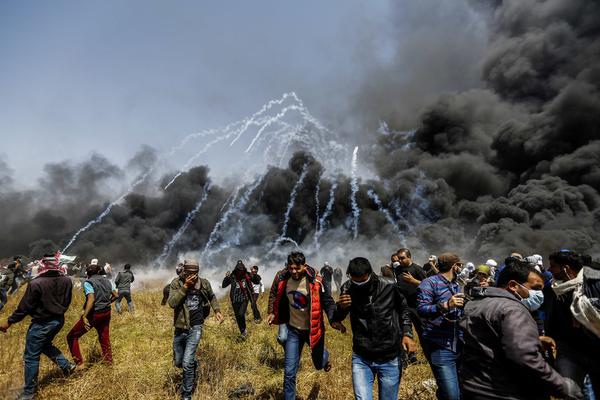
Leaving the excitement of the battle, let us now turn where the results of this carnage are seen in their sober reality. While we stand in line of battle we see little of the frightful havoc of war. The wounded drop about us, but, except those left on disputed ground and unable to crawl away, they are carried instantly to the rear. The groans and cries of the wounded and dying, of which we so often read as filling up the grand discord of sounds on the battle-field, are things scarcely known in actual war. Rarely, as in the present battles, wounded men, unable to get away, are left between the lines in such numbers that, when the musketry dies away, their groans become heart-rending. But this is not usual.
But at the field hospitals, the work of destruction is seen in all its horrors. There, wounded men by thousands are brought together, filling the tents and stretched upon every available spot of ground for many rods around. Surgeons, with never tiring energy, are ministering to their wants, giving them food, dressing their wounds or standing at the operating table removing the shattered fragments of limbs. Men wounded in every conceivable way, men with mutilated bodies, with shattered limbs and broken heads, men enduring their injuries with heroic patience, and men giving way to violent grief, men stoically indifferent, and men bravely rejoicing that it is _only a leg_. To all these the surgeons are to give such relief as lies in their power, a task the very thoughts of which would overcome physicians at home, but upon which the army surgeon enters with as much coolness and confidence as though he could do it all at once. He has learned to do what he can. Contenting himself with working day and night without respite, and often without food, until, by unremitting but quiet toil, the wants of all are relieved. No class of men in the army perform so great labors with so little credit as the surgeons.