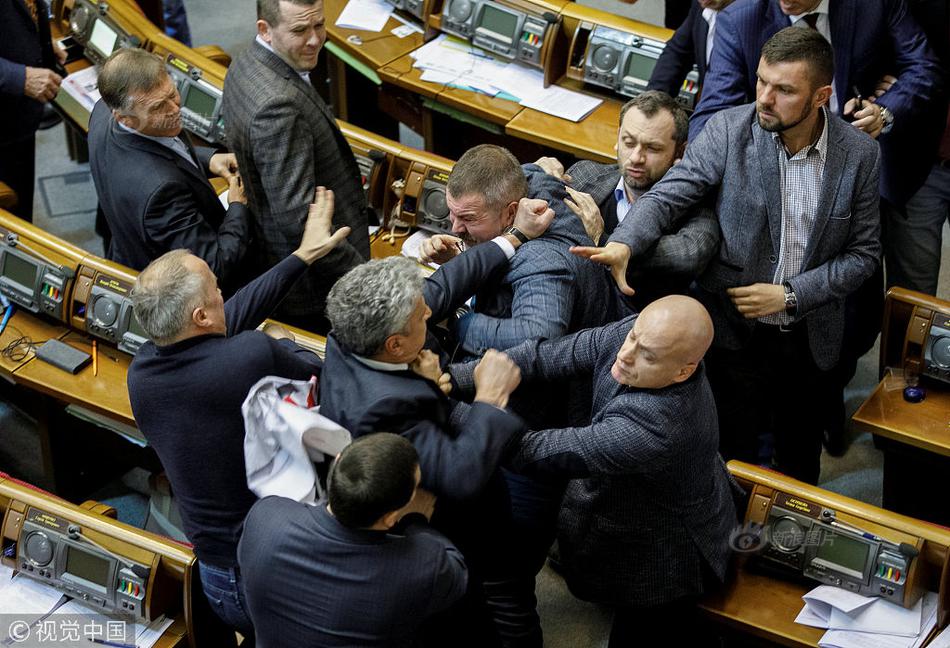
And Billy McGlory's! What times we had there, on dear old Saturday nights! At this place, which contained a bar-room, dance-room, pool-room and a piano, congregated downtown guns, house-men and thieves of both sexes. No rag-time was danced in those days, but early in the morning we had plenty of the cancan. The riots that took place there would put to shame anything that goes on now.[A] I never knew the town so tight-shut as it is at present. It is far better, from a moral point of view than it has ever been before; at least, in my recollection. "The" Allen's was in those days a grade more decent than McGlory's; for at "The's" nobody who did not wear a collar and coat was admitted. I remember a pal of mine who met a society lady on a slumming expedition with a reporter. It was at McGlory's. The lady looked upon the grafter she had met as a novelty. The grafter looked upon the lady in the same way, but consented to write her an article on the Bowery. He sent her the following composition, which he showed to me first, and allowed me to copy it. I always did like freaks. I won't put in the bad grammar and spelling, but the rest is:
"While strolling, after the midnight hour, along the Lane, that historic thoroughfare sometimes called the Bowery, I dropped into a concert hall. At a glance, I saw men who worked hard during the week and needed a little recreation. Near them were their sisters (that is, if we all belong to the same human family), who had fallen by the wayside. A man was trying to play a popular song on a squeaky piano, while another gent tried to sing the first part of the song, when the whole place joined in the chorus with a zest. I think the song was most appropriate. It was a ditty of the slums entitled, 'Dear Old Saturday Night.'"

When I was about nineteen I took another and important step in the world of graft. One night I met a couple of swell grafters, one of whom is at the present time a Pinkerton detective. They took me to the Haymarket, where I met a crowd of guns who were making barrels of money. Two of them, Dutch Lonzo and Charlie Allen, became my friends, and introduced me to Mr. R----, who has often kept me out of prison. He was a go-between, a lawyer, and well-known to all good crooks. If we "fell" we had to notify him and he would set the underground wires working, with the result that our fall money would need replenishing badly, but that we'd escape the stir.