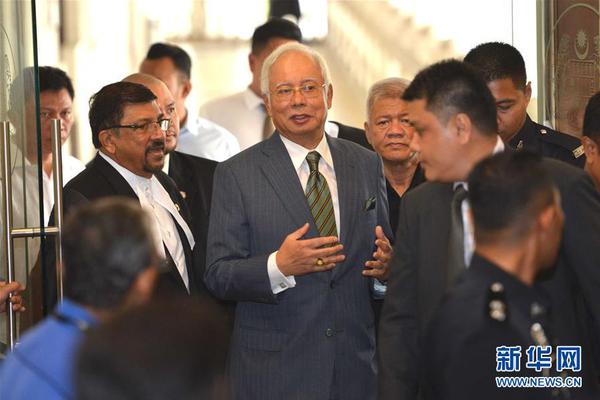
[Illustration: GENERAL MOSQUERA. President of Colombia (1845-1849, 1861-1864, 1865-1867). To face p. 206.]
Mosquera declared a _Kulturkampf_, separated Church and State, exiled the bishops, confiscated the goods of the convents, and, like Guzman-Blanco, { 207} created a national Church. Without the authorisation of the supreme power no priest could exercise his religious functions. The civil power was the supreme power; the Church and her ministers were subject thereto.
The President shot or suppressed his enemies, and imposed his policy by terror; he enthroned militarism. Faithful armies followed him, accustomed to victory. The domestic policy of New Granada did not satisfy his ambition; he aspired to restore the Greater Colombia, and dreamed the dream of Rosas and Santa-Cruz; the hegemony of his country to be forced upon other peoples. He declared war upon Ecuador, and was victorious. In 1864 he was followed by another liberal, Dr. Murillo-Torro. In 1865 the military _caudillo_ resumed the reins of government. He was hostile to Congress, and proclaimed himself dictator; he violated the Constitution and the law, intervened in the struggles of other States, and sought an absolute and irresponsible authority. His own supporters conspired against him, and sent him into exile. In Colombia he was the indisputable authority, as Paez in Venezuela, from 1845 to 1867.
After this long empire came a period of civil Presidents and military Presidents, who moderated the ambitions of the liberals. Presently a new _caudillo_ arose: Dr. Rafael Nuñez. Mosquera was first a conservative, then a liberal. Nuñez, a liberal, fomented a conservative reaction and dominated Colombian politics for twenty years.

At one time secretary to Mosquera, he had made a study of the evolution of great States. He was not only a leader, but also a diplomatist, and a philosopher in his political disinterestedness, his lasting moral influence, and the width of his views. A theorist like Balmaceda and Sarmiento, he none the less did not forget the inevitable imperfections of { 208} Colombia. He became President of the Senate in 1878, and a minister of the Reformation and head of the Republic in 1880. Democracy looked to him for a renaissance.