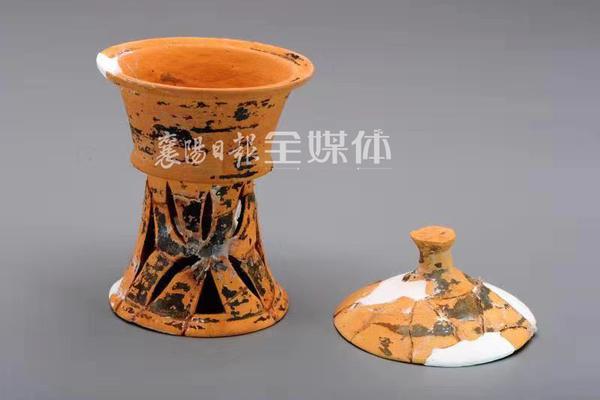
The mounds of our Western and Southwestern States are almost the counterpart of this grand elevation at Cholula, so far as the idea goes, except that they are mere pigmies in comparison. The fact is worth recalling that the same species of domestic implements of stone which are found from time to time deeply buried in portions of the United States are also exhumed here. So in the museum of the capital one sees stone hatchets, pestles, mortars, and arrowheads of the same shapes that we have been accustomed to find beneath the soil of our Northern States.
The most casual observer will be satisfied that this pyramid dates long before the time of the Spanish conquest, and that it was not built by the race of Indians whom Cortez found in possession. It may represent a race who existed even prior to the Toltecs, to whom the Aztecs were indebted for all their arts and refinements, and upon which it is doubted if they much improved. No one can possibly say how many centuries are looking down upon us from this colossal ruin. We are told of one tradition, recorded by a Jesuit priest named Torquemada, which ascribes the origin of this pyramid to a period contemporary with that of the Tower of Babel, in the land of Shinar. The tradition also speaks of a great deluge, and says that this artificial mound was originally designed to reach the clouds; but the gods were angered by the attempt, and dispersed the workmen with lightning, after it had got to its present height. With mountains close at hand, so much loftier than any human agency could achieve, it is a mystery what motive could have actuated a people to rear this colossal mound except it was for the foundation of a temple. The pretended legend of aboriginal origin is no doubt a pure fabrication, like nine tenths of the priestly records relating to Mexico.

The ancient builders erected a shrine and sacrificial stone on the summit of the pyramid. This idolatrous temple was promptly destroyed by Cortez, and the place where it stood is now occupied by a Roman Catholic chapel dedicated to the Virgin of Remedios. The present edifice is of quite modern construction, replacing the original chapel erected by the Spaniards, which was destroyed by fire. It struck us as being more than usually tawdry in it equipment. Its cupola is decidedly out of proportion to the small body of the structure. There are traditions among the natives here, as is usually the case in relation to all antique remains, telling of interior galleries and chambers of great extent; but no confidence is placed in such rumors. The excavation already referred to laid bare a tomb containing two skeletons, with a couple of idols in basalt, also a small collection of aboriginal pottery. The sepulchre was square, with stone walls supported by cypress beams. The discovery of these two skeletons in one corner and at the base of the pyramid does not indicate that it was reared for the purpose of a tomb. It would require the discovery of such a burial near the centre of the immense mound to indicate such a design.