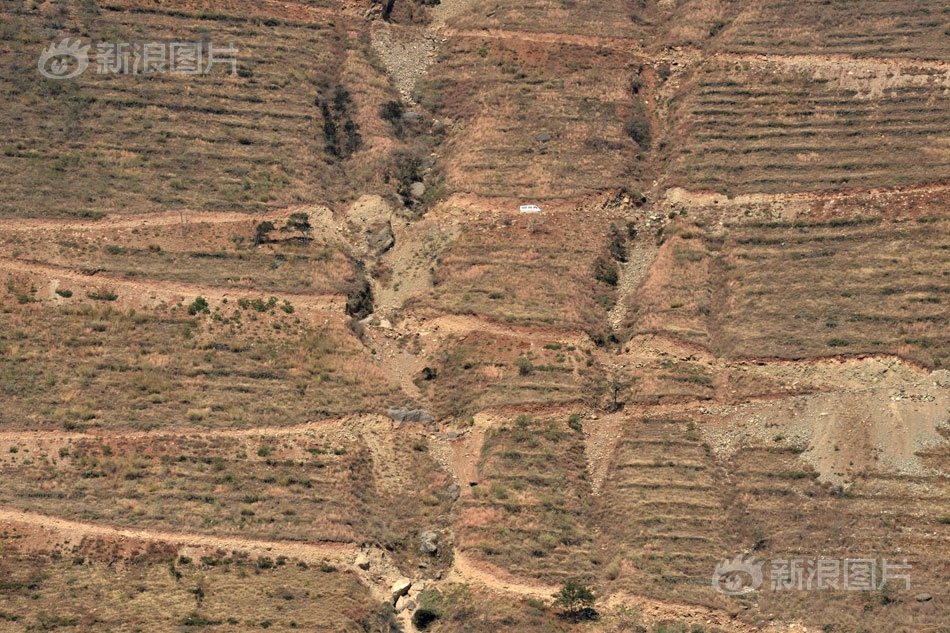
When I last visited Mantinea, in October 1895, most of the ruins about the market-place, which were excavated by the French some ten years ago, had again disappeared beneath the soil.
[Sidenote: Grove of Poseidon at Onchestus.]

Again, in Boeotia our author is accused of describing things that were not as if they were, and the witness for the prosecution is again Strabo. Pausanias says that the grove of Poseidon at Onchestus existed in his time. Strabo says that there were no trees in it. Where is the inconsistency between these statements? Strabo wrote in the reign of Augustus; Pausanias wrote in the reign of Marcus Aurelius. Did trees cease to grow after the time of Strabo?

[Sidenote: Limnae and Thuria in Messenia.]

Further, Pausanias has been reproached with not knowing that Limnae in Messenia belonged to the Messenians in his time. This is a strange reproach. He treats of Limnae under Messenia, and does not say that it belonged to anybody but the Messenians. What more could he do? Was it needful for him to say of every place in Messenia that it belonged to the Messenians? of every town in Arcadia that it belonged to the Arcadians? of every temple in Athens that it belonged to the Athenians? The ground of the offence is Pausanias’s statement that the neighbouring town of Thuria in Messenia had been bestowed by Augustus on the Lacedaemonians. The truth of this statement is not disputed. It is confirmed by coins which prove that in the reign of Septimius Severus, long after the time of Pausanias, Thuria continued to belong to the Lacedaemonians. But the critics have assumed quite gratuitously that along with Thuria the emperor Augustus transferred Limnae also to the Lacedaemonians, and that Pausanias believed Limnae to belong to them still in his time, although we know from the evidence of Tacitus and of boundary stones that in his time Limnae belonged to Messenia. Both these assumptions are baseless. We have no reason to suppose that Augustus gave Limnae to the Lacedaemonians, none to suppose that Pausanias believed it to belong to them. On the contrary, we have, as I have just pointed out, the best of grounds for supposing that he held it to belong to Messenia. The truth is, the critics have confused two distinct, though neighbouring districts, and have shifted the burden of this confusion to the shoulders of the innocent Pausanias, in whose work not a shadow of it can be detected.