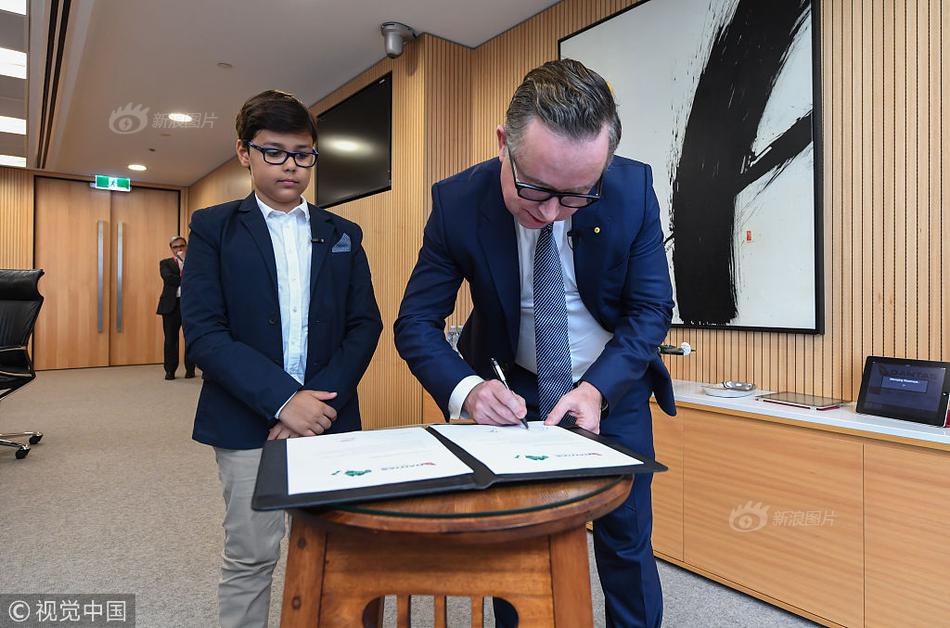
V. Mohan is an Indian physician/scientist specializing in diabetology. He is the Chairman of Dr. Mohan’s Diabetes Specialities Centre, which is an IDF Centre of Excellence in Diabetes Care. He is also the Chairman of the Madras Diabetes Research Foundation in Chennai which is an ICMR Centre for Advanced Research on Diabetes.
Summary
Dr. V. Mohan has been delivering care to patients with diabetes across the country via its centres and tele-medicine for over 45 years. He has trained thousands of diabetologists in India and other developing countries. He also has contributed to scientific research on diabetes for over 40 years and has published over 1040 original articles and has a h-index of 153. He also serves on various national and international bodies in his field of specialisation. He is ranked amongst the top 2% of scientists in the world and the top medical scientist in India as per Stanford University Global.
Education
Dr. Mohan completed his undergraduate (MBBS) and postgraduate medical education (MD, General Medicine) from Madras Medical College, Chennai, India. In 1984 – 85, he worked for a year as a Welcome Trust Research Fellow at the Royal Postgraduate Medical School and Hammersmith Hospital, London, U.K and in 1985 – 86 as an Alexander Von Humboldt Fellow at the University of Ulm, Germany. He was awarded a PhD in 1987 and later a Doctor of Science (D.Sc.) by thesis in 1997 for his research in the field of Fibrocalculous Pancreatic Diabetes (FCPD). Dr. Mohan’s activities cover a wide range of clinical services, research, training and education, public education, community engagement including rural diabetes services and charity.

Clinical services
Mohan started his research work on diabetes at the age of 18 as an undergraduate medical student when he joined his father, the pioneer in Diabetology in India, Prof M. Viswanathan. In 1971, together with his father, he set up the first private diabetes centre in India, the M.V. Hospital for Diabetes and continued to work at this centre till 1991. Mohan and his late wife Dr. Rema Mohan who was an international recognized ophthalmologist / scientist in the field of diabetes eye diseases, subsequently established their own diabetes centre under the name of "Dr. Mohan’s Diabetes Specialities Centre" which has grown to become one of the largest diabetes centres in the world. He and his daughter Dr. R.M. Anjana and son in law Dr. Ranjit Unnikrishnan and their colleagues currently oversee a chain of 50 diabetes centres across 8 states and 32 cities of India and have over 600,000 registered diabetes patients at these centres, one of the largest diabetes clinical services in the world.
Research
In 1996, Mohan and his late wife Rema established the Madras Diabetes Research Foundation (MDRF) at Chennai which has grown to become one of the largest standalone diabetes research centres in Asia with over 20 scientists. Over 75 students have obtained their PhD degree working at MDRF, from 4 Universities, namely the Madras University, The Tamil Nadu Dr MGR Medical University, the Deakin University, Melbourne, Australia and the University of Warwick, UK. His research combines clinical, epidemiological, and genomic aspects of diabetes. He has over 1620 publications including over 1040 original research articles in peer-reviewed journals, 389 invited reviews and editorials and 187 chapters in text-books on Diabetes and Internal Medicine. As of September 2023, his research work has an h-index of 153, an i-10 index of 926 and has received over 190,000 citations. His areas of work include Epidemiology of diabetes and its complications, Genomics of diabetes, Precision Diabetes, Nutrition and Diabetes and Fibrocalculous Pancreatic Diabetes (FCPD). He described the criteria for diagnosis of FCPD which is known as Mohan’s criteria for FCPD . He has also done seminal work on describing the Asian Indian (South Asia) Phenotype of type 2 diabetes. He was the national co-ordinator for the ICMR – INDIAB national epidemiological study of diabetes and other NCDs, carried out on 113,000 individuals representative of India’s 1.4 billion people and covering all states and union territories of India. He has also been involved in the other large epidemiological studies like CURES (n = 26,000), PURE (n = 225,000 individuals in 27 high, middle and low-income countries) and CARRS (n = 20,000). His work on Monogenic Diabetes is well recognised. He and his colleagues have set up a National Registry for Monogenic Diabetes in India.