Usually quite deserted, there are two seasons of the year when the isles take on a population of residents from the mainland entirely out of keeping with their size and number: in February for seaweed gathering, and from June to September for the gathering of sea-mosses, or _jargot_, as the natives call it. One who would experience something out of the ordinary could not do better than make this little excursion. The passage from the mainland does not look so very terrible to the stranger, but not even the hardy fishermen will attempt it if the sky is the least threatening. He says simply, "Only go out in very fine weather," and sits tight and prays and whistles for that same fine weather, though he evidently does not expect it to come very soon, for with every bit of fleecy cloud that crosses his vision, he exclaims: "Big storm soon!"
Paimpol is situated at the head of a well-sheltered bay on the banks of an infinitesimal little river known as Quinic. There is nothing to mark Paimpol as a tourist resort, and accordingly it is almost an ideal resting-place for one wearied with the onrush of the world. It is not even a bathing-place, as it well might be. Its long Rue de l'Église is its principal thoroughfare, and through it all the small traffic of the town circulates at a most sedate pace.
The church dates from the thirteenth century, and is a lovely old structure with admirable Gothic pillars and arches in its nave, and a fine fourteenth-century rose window.
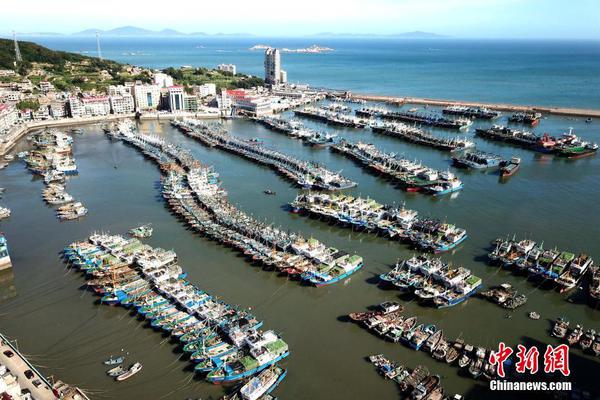
The port of Paimpol has a most interesting rise and fall of life, particularly at the season of the setting out and the return of the Iceland fishermen. In the trade in codfish caught off the Icelandic coasts, this place occupies the first rank, being the home port of those who fish in Icelandic waters, and all along the quays of the sad little town of Paimpol (sad, because there are so many widows there,--the lone partners of those who have lost their lives at sea) are to be seen the Iceland schooners. Everything in the town smacks of the memory of Iceland: the schooners, the _ex-votos_ in the churches, the widows, the sturdy but gloomy fisherfolk themselves, and the stones in the churchyard. "The Iceland fog enshrouds everything," the native tells you, but still the work goes on, and each year, with the coming of the spring days, the exodus begins, after a winter's hard work at refurbishing and refitting of the little two-masters and three-masters of the fishers. It is here that one may hear that Breton sailor's prayer, which is so devout and full of faith: "_Mon Dieu protège nous, car la mer est si grand et nos bateaux si petits._"