One of the first acts of the constitutional Cortes was to suppress all the monasteries in the kingdom in 1834. At the same time the nunneries were forbidden to receive any new nuns, with the result that in many places the buildings have gradually fallen into decay, till the last surviving sister has died, solitary and old, and so at length set free her home to be turned to some public use.[3]
Since then the history of Portugal has been quiet and uneventful. Good roads have been made--but not always well kept up--railways have been built, and Lisbon, once known as the dirtiest of towns, has become one of the cleanest, with fine streets, electric lighting, a splendidly managed system of electric tramways, and with funiculars and lifts to connect the higher parts of the town with its busy centre.

It is not uninteresting to notice in how many small matters Portugal now differs from Spain. Portugal drinks tea, Spain chocolate or coffee; it lunches and dines early, Spain very late; its beds and pillows are very hard, in Spain they are much softer. Travelling too in Portugal is much pleasanter; as the country is so much smaller, trains leave at much more reasonable hours, run more frequently, and go more quickly. The inns also, even in small places, are, if not luxurious, usually quite clean with good food, and the landlord treats his guests with something more pleasing than that lofty condescension which is so noticeable in Spain.

Of the more distant countries of Europe, Portugal is now one of the easiest to reach. Forty-eight hours from Southampton in a boat bound for South America lands the traveller at Vigo, or three days at Lisbon, where the brilliant sun and blue sky, the judas-trees in the Avenida, the roses, the palms, and the sheets of bougainvillia, are such an unimaginable change from the cold March winds and pinched buds of England.

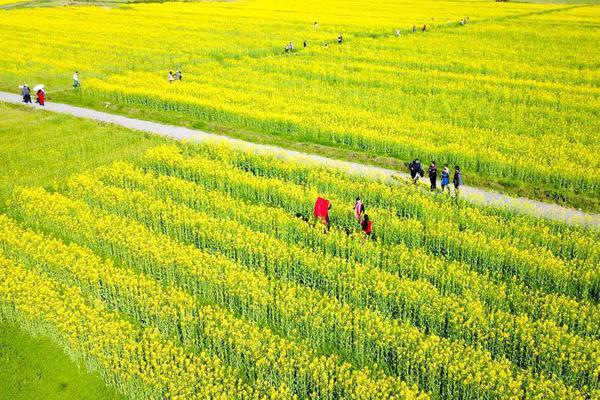
There is perhaps no country in Europe which has so interesting a flora, especially in spring. In March in the granite north the ground under the pine-trees is covered with the exquisite flowers of the narcissus triandrus,[4] while the wet water meadows are yellow with petticoat daffodils. Other daffodils too abound, but these are the commonest.